
How to Prepare Your Driveway & Walkways for Winter In Halifax
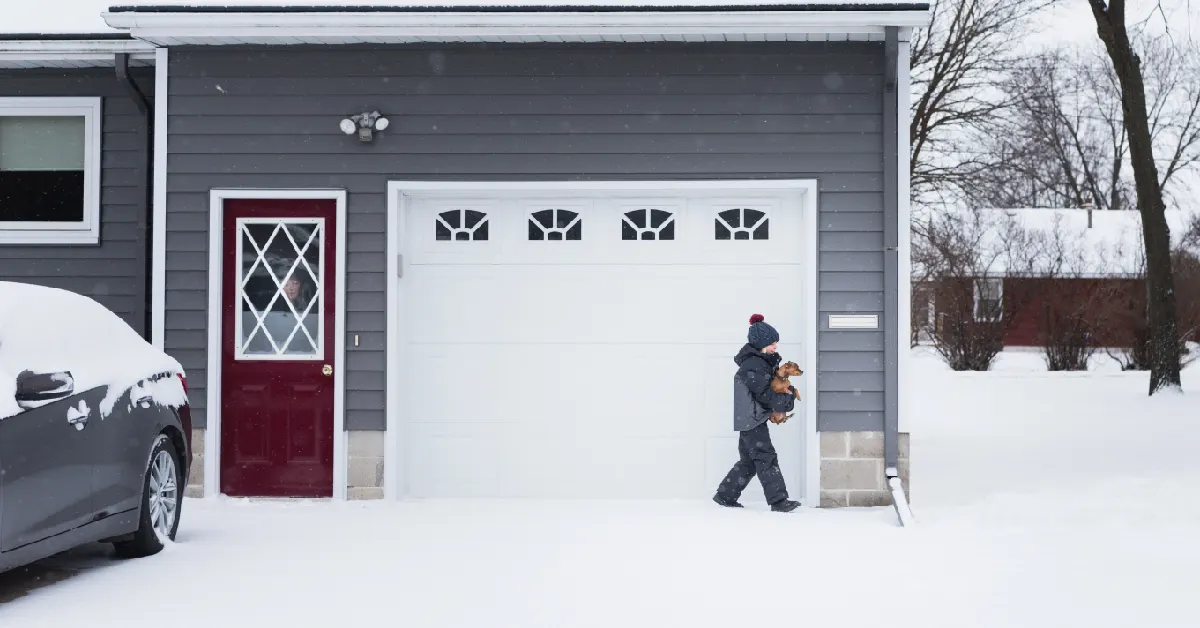
If you want to prepare your driveway for winter in Halifax, start in early fall, before the first hard frost arrives. That’s when you can still seal cracks, fix drainage problems and reset loose pavers. In November, you can get ready for snow. Once winter arrives, the goal is to clear snow quickly without damaging the surface. Below is a season-by-season winter checklist for Halifax homeowners. Code Green Landscaping provides snow removal and property care across Halifax, with years of experience keeping driveways & pathways clear all season long.
How Do Halifax Winters Affect Driveways and Walkways?
In Halifax, the temperature often goes above and below zero several times a week in winter. When it warms up, water gets into small cracks. When it freezes again, the water expands and makes the cracks bigger. This is called the freeze-thaw cycle and it causes potholes, crumbling edges & frost heave, which is when the ground under your driveway or walkway pushes up unevenly. Plows, shovels and salt cause extra wear on top of this. To winterize your driveway in Nova Scotia properly, you need to start before the first snowfall.
Winterize Your Driveway in Early Fall
Schedule your maintenance in September, October or November, while the weather is still dry and mild.
Sealing Cracks and Fixing Drainage
On a dry day, walk the length of your driveway to look for damage. Fill any cracks with a filler made for your type of driveway, since even small cracks let water in. If you have asphalt, apply a sealcoat now, because it needs dry days above about 10°C to set properly. Point your downspouts away from paved areas, so meltwater doesn’t run across your driveway and freeze.
Winter Prep for Walkways and Steps
Reset any loose or uneven paving stones before snow covers them. Fill the gaps between interlocking pavers with polymeric sand to stop water from getting underneath. Make sure railings are solid and outdoor lights are working properly.
Get Ready for Snow in Late Fall
In November, get your property ready for the first storm.
Marking and Clearing Your Driveway
Place reflective stakes along both sides of your driveway. When everything is covered in snow, they show you and the snow removal crew where the driveway ends. Rake gravel driveways smooth, then put away hoses, planters or anything else that could get buried.
Stocking Up for Your Walkways
Keep a bag of de-icer or sand near your front door. Use a shovel with a plastic edge, which won’t chip concrete or pavers. Put a heavy-duty mat at each entrance to keep floors inside dry.
Driveway Snow Removal Tips for the Winter Months
From December to March, clearing snow at the right time makes the biggest difference.
Clearing Your Driveway
Clear snow as soon as you can, before cars drive over it and pack it into ice. City plows leave a heavy ridge of snow, called a windrow, at the end of your driveway. You may need to clear it more than once during a big storm. On gravel driveways, keep your shovel or plow blade a little higher so it doesn’t scrape up stones.
Keeping Walkways Safe
Shovel the snow first, then put down the de-icer. De-icer works much better on a thin layer of ice than under deep snow. On steep steps or slopes, add sand for better grip.
Which De-Icer Is Best for Your Driveway and Walkways?
The right de-icer depends on what your driveway or walkway is made of, as well as how cold it gets:
- Asphalt: Rock salt is fine in small amounts, but it stops working well below about -9°C
- Concrete: Don’t use salt on concrete less than a year old, so use sand instead
- Interlocking pavers: Calcium chloride is gentler, working down to about -30°C
- Gravel: Sand works best, since salt just washes down between the stones
- Homes with pets: Look for a de-icer labelled pet-safe
What Mistakes Damage Driveways in Winter?
Homeowners often cause winter damage without realizing it by:
- Putting off crack repairs until spring
- Piling snow against the house, where it melts toward the foundation
- Using metal shovels on pavers or stamped concrete
- Putting de-icer on deep snow instead of shovelling first
- Not marking driveway edges before the first storm
Should You Hire Snow Removal or Do It Yourself?
Clearing snow yourself works well if your driveway is small, flat and you’re usually home after a storm. Hiring a snow removal company is a better choice if your driveway is long or sloped, you leave early for work or shovelling is hard on your health. Halifax also has an overnight winter parking ban during snow events, so you need your driveway cleared quickly to have somewhere to park.
Final Thoughts
Knowing how to winterize your driveway can save you money on spring repairs. Fix cracks in early fall, get your tools ready in November, then clear snow early once winter starts. Use the right de-icer for each surface, and mark your driveway edges before the first storm. For snow removal or Nova Scotia winter property care in Halifax, Bedford or Sackville, Code Green Landscaping is here to help.