
How to Prevent Ice on Steps and Walkways in Dartmouth, NS All Winter
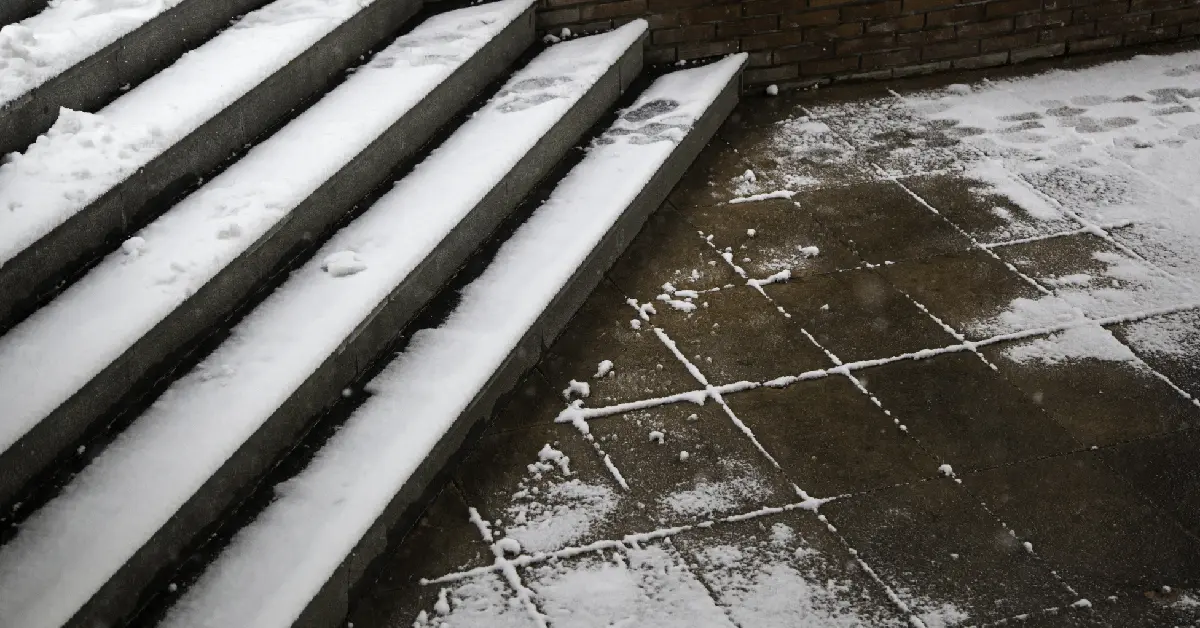
Winter in Dartmouth, Nova Scotia, brings snowfall, freezing rain, and changing temperatures that can make outdoor steps, driveways, and walkways slippery. Even when snow starts melting, dropping temperatures can turn leftover water into dangerous ice overnight.
Knowing how to prevent ice on walkways helps homeowners reduce slipping hazards and keep their properties accessible throughout winter. From pre-treating surfaces to fixing drainage problems, here are seven practical ways to prevent ice buildup around your home.
7 Ways to Prevent Ice on Steps and Walkways
1. How Can You Pre-Treat Walkways Before a Winter Storm?
Pre-treating outdoor surfaces before a snowstorm can make ice removal easier. Apply a suitable anti-icing product to steps, entrances, and walkways before snow or freezing rain arrives.
Here are a few ways to prepare:
- Check the weather forecast before a storm.
- Apply an appropriate ice-control product according to its instructions.
- Keep snow shovels and ice scrapers accessible.
- Clear accumulated snow before it becomes compacted.
Pre-treatment can reduce how strongly ice bonds to the surface, making cleanup easier after a storm.
2. What Is the Best Ice Melt for Concrete Steps?
The best ice melt for concrete steps depends on the temperature, surface condition, and product instructions. Some products work better in colder weather, while others provide traction without melting ice.
Common options include:
- Rock salt: An affordable option for moderate winter conditions, but excessive use can damage vulnerable concrete.
- Calcium chloride: Works at lower temperatures than traditional rock salt and melts ice quickly.
- Magnesium chloride: Another option for colder conditions when used as directed.
- Sand: Does not melt ice but improves traction on slippery surfaces.
Always check product labels before applying ice melt. Be especially careful with new, damaged, or unsealed concrete, as some de-icers can contribute to surface deterioration.
3. How Do You Stop Water from Freezing Again on Walkways?
If ice keeps forming in the same area, poor drainage could be the cause. Melting snow, rainwater, or water from downspouts can collect near walkways and freeze again when temperatures drop.
To reduce repeated ice buildup:
- Direct downspouts away from steps and walkways.
- Clear leaves and debris from drainage channels.
- Remove standing water whenever possible.
- Address low spots where water collects.
- Keep nearby gutters clear to prevent overflow.
Fixing drainage problems helps reduce recurring ice formation and makes winter maintenance easier.
4. Why Should You Remove Snow Before It Turns Into Ice?
Leaving snow on outdoor surfaces allows foot traffic to compact it into hard, slippery layers. When temperatures drop, this packed snow can become difficult to remove.
Shovel or sweep snow as soon as conditions allow, especially around entrances, stairs, driveways, and frequently used walkways.
Removing snow early is generally easier than dealing with thick ice later. It also reduces the amount of snow that can melt and refreeze.
5. How Can You Prevent Slippery Outdoor Steps?
Outdoor stairs can become particularly dangerous during freezing weather. Melting snow, overnight frost, and poor drainage can create slippery patches on stair surfaces.
Consider these safety measures:
- Install suitable non-slip stair treads or traction strips.
- Use secure handrails for additional support.
- Remove snow and slush regularly.
- Apply a suitable ice-control product when necessary.
- Check shaded steps for hidden ice.
These simple precautions can make outdoor steps safer for family members and visitors.
6. How Do You Prevent Ice During Freeze-Thaw Cycles?
Dartmouth’s changing winter temperatures can cause snow to melt during warmer periods and refreeze overnight. This repeated freeze-thaw cycle often creates slippery patches on concrete steps, sidewalks, and driveways.
To manage these conditions, remove leftover slush, check shaded areas regularly, and apply suitable ice-control products when needed.
Pay particular attention to areas beneath downspouts, along walkways, and near outdoor entrances. Avoid pouring hot water onto icy surfaces because it can quickly refreeze and create another slippery layer.
7. When Should You Consider Professional Snow Removal in Dartmouth?
Keeping driveways, steps, and walkways clear throughout winter takes regular attention. Heavy snowfall and repeated storms can make it difficult for homeowners to manage snow accumulation.
Professional snow removal can help maintain accessible outdoor areas and reduce the amount of snow left to compact and refreeze.
Code Green Landscaping provides snow removal services in Dartmouth and surrounding communities. If winter weather makes maintaining your property difficult, consider arranging professional snow removal.
Keep Your Dartmouth Property Safer This Winter
Snow and ice can make everyday access around your home difficult. Regular snow clearing and proper winter property maintenance can help reduce hazards and keep outdoor areas accessible.
Need assistance managing winter snowfall? Contact Code Green Landscaping to discuss professional snow removal services in Dartmouth, NS, and surrounding communities.